

National Fire Risk Research: Data-Driven Resilience for Public Leaders
- Overview
- Updates
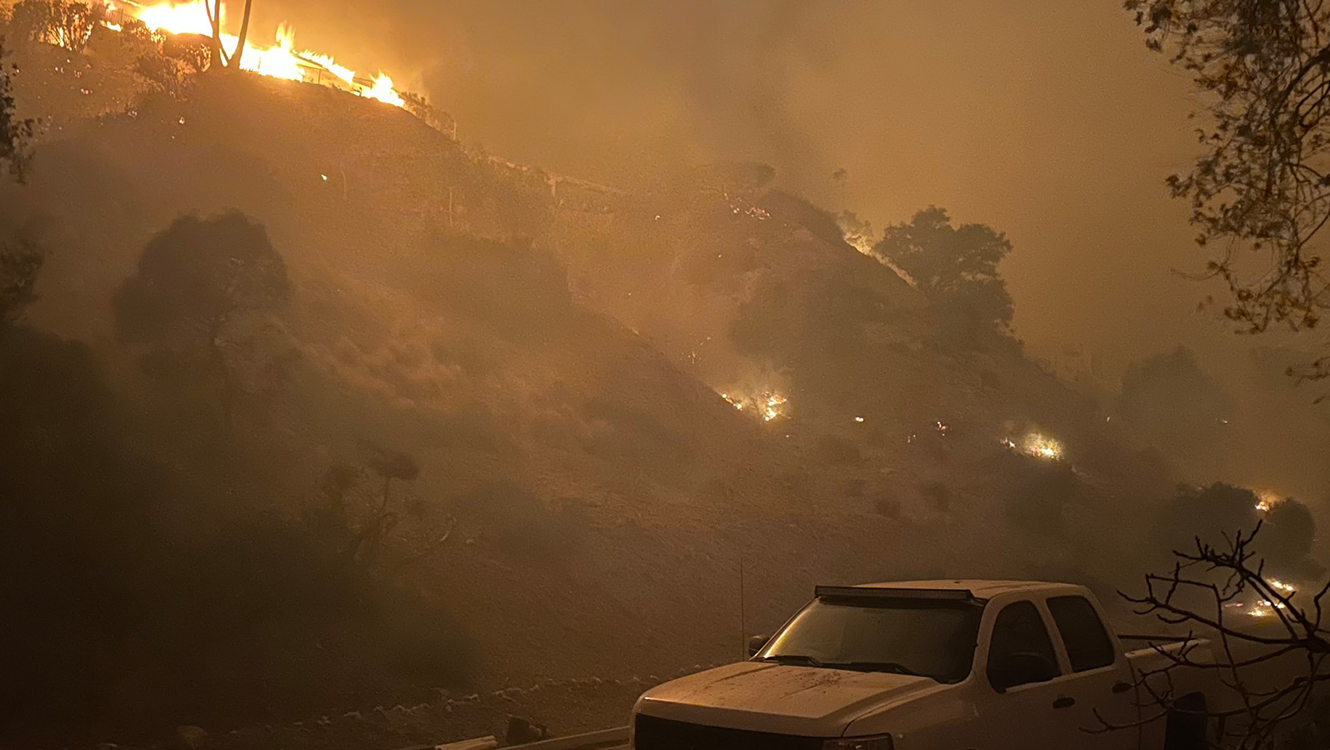
Destructive fire incidents continue to dominate headlines and remain among the most devastating threats to communities. Both single-structure fires and large-scale urban fire conflagrations destroy thousands of homes and structures each year, resulting in extensive economic losses and loss of life. Despite this growing threat, community leaders still struggle to define, quantify, and conduct true fire risk assessments. Empowering decision-makers with reliable, science-backed fire risk data is critical to identify emerging threats, prioritize the right prevention strategies, and guide investments toward effective mitigation.
The Growing Fire Risk in the United States
Fire activity in the United States continues to rise. In 2024 alone, local fire departments reported and responded to approximately 1.244 million fires, resulting in more than 2,200 deaths, over 12,000 injuries, and an estimated $144 billion in property loss. In 2025, there were 77,850 wildfires reported, consuming 5,131,474 acres and destroying more than 18,000 structures. Notably, the January 2025 Southern California fires were among the most costly fires on record. Despite the scale of these incidents, national spending remains focused on suppression and response rather than long-term prevention and risk reduction. Building lasting fire resilience requires a shift toward proactive planning and investment in mitigations that matter — supported by data-driven insights that enable leaders to measure, prioritize, and address fire risk effectively.
Developing a National Fire Risk Atlas
To address this gap, a comprehensive Fire Risk Atlas — driven through collaboration between the U.S. Department of Homeland Security’s Science and Technology Directorate, Federal Emergency Management Agency's U.S. Fire Administration, and UL Research Institutes’ Fire Safety Research Institute — is under development to provide the first standardized, science-informed fire risk measurement framework for local communities nationwide. The project builds on advancing research in single-structure fire risk, structure-to-structure fire spread, and wildland-urban interface vulnerability. With a clearer, data-backed picture of fire risk, local fire and public safety agencies will be better equipped with the risk intelligence required to protect the communities they serve. As validated insights and new incident data emerge, the atlas will be updated to ensure leaders always have access to the most accurate assessment of fire risk possible. This approach is critical to empowering communities to anticipate fire threats and invest strategically in prevention and resilience.
Delivering New Capabilities Through the National Emergency Response Information System
A defining feature of this effort is ensuring local agencies get new tools and insights as the research evolves. Fire risk measurements and analytical tools developed through this program will be integrated into NERIS, ensuring nationwide accessibility. By embedding risk intelligence within NERIS — an established platform used by nearly 30,000 departments nationwide — the project enables rapid adoption of the latest science while supporting real-time decision-making.
Advancing Wildfire Risk Modeling Science
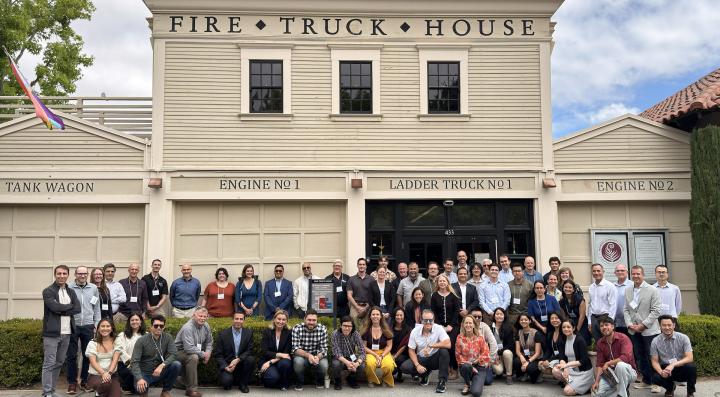
Now more than ever, we need to understand the unique strengths of existing and emerging wildfire risk models. To answer this call to action, ULRI came together with a team of over 40 partner organizations to collaboratively design and conduct a series of exercises, the first of which is the Wildfire Risk Modeling Exercise, launched in 2026. It serves as the first convergent experiment to advance wildfire risk modeling science and foster collaboration among leading researchers and technologists. Through this effort, we will identify the unique strengths of all existing wildfire risk models, align them with their most appropriate uses, and determine how to ensemble them to achieve the greatest accuracy and precision in providing wildfire risk information. This project is led by an Exercise Planning & Conduct Team comprised of leaders from: UL Research Institutes, Gordon & Betty Moore Foundation, CAL FIRE, U.S. Department of War’s Strategic Environmental Research and Development Program, University of California San Diego’s Wildfire Science & Technology Commons, FireWERX, and Google.org.
“Despite the increase in destructive fire incidents, resulting in billions of dollars in economic loss annually, we continue to struggle to measure and predict fire risk. Yet, accurate and precise risk intelligence is a critical ingredient for empowering communities to take responsibility and invest in prevention and mitigation efforts that make a difference. At ULRI, we’ve taken on this challenge by integrating fire behavior science with data science and economics to provide the actionable intelligence on fire risk our public leaders urgently need.”
— Rebecca Harned
Principal Research Scientist
UL Research Institutes | Fire Safety Research Institute

Published: April 16, 2026
Stay Informed
Get instant updates about this project as they become available.

