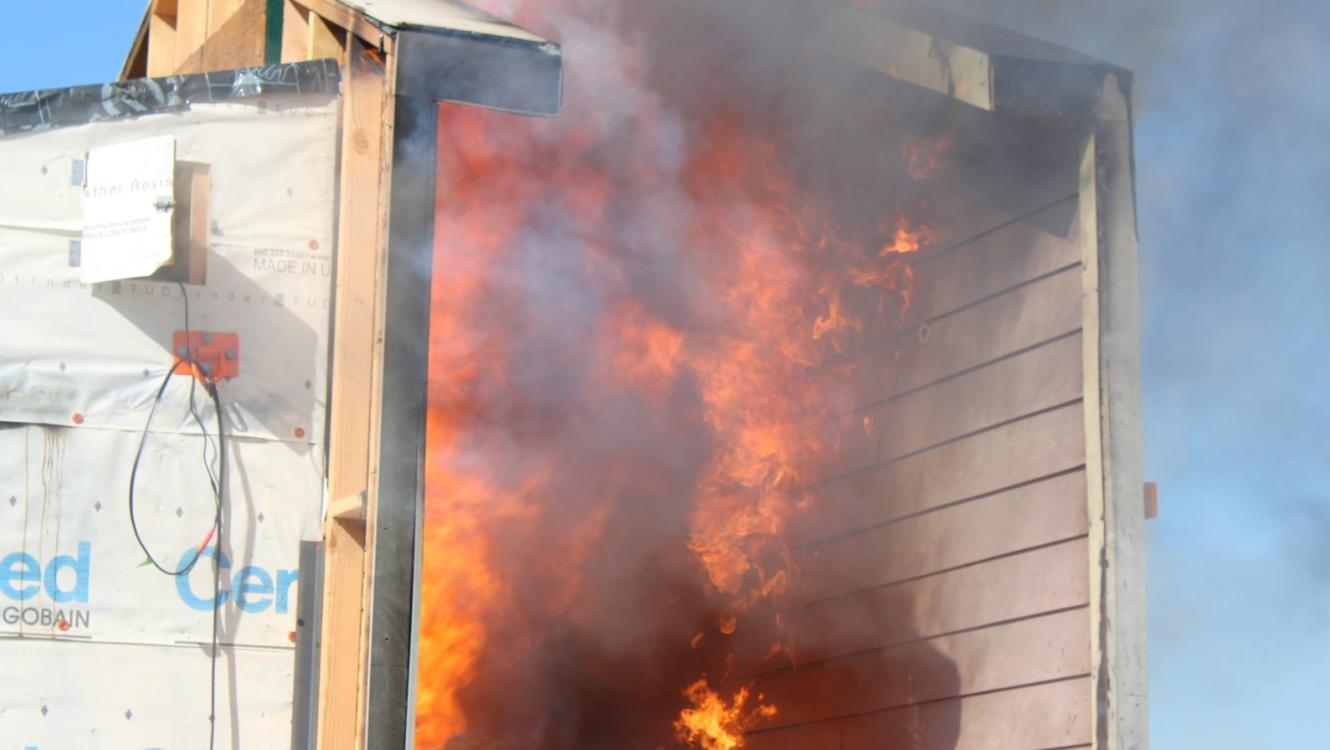

Firefighter Health and Safety Research
Advancing firefighter safety through research built for the fire service and with the fire service.
As the fire environment evolves, the risks firefighters face are becoming more severe. Synthetic materials, construction techniques, and new technologies contribute to rapid fire growth, toxic and thermal threats, and earlier structure collapse potential. Every near miss and line-of-duty injury or death underscores the urgency of research that translates directly into safer practices before, during, and after a fire.
UL Research Institutes' Fire Safety Research Institute works to expand how the fireground is studied and understood. Our research is directly shaped by the fire service through technical panels and advisory committees comprised of active firefighters and leaders, ensuring our work reflects the realities of today's fire environment. The result is actionable findings that inform new tactical considerations, effective training resources, and the impact of firefighter personal protective equipment. We uncover emerging threats and develop new knowledge aimed at enhancing safety and efficiency on the fireground, while protecting the immediate and long-term health of firefighters.
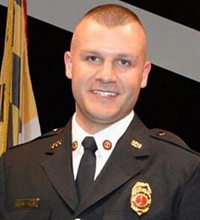
“Our research is focused on the fire service and the public they serve. We study how current hazards influence both occupant survivability and firefighter safety, from fire dynamics and strategies and tactics in structures to the design and usage of personal protective equipment. Our work continues to make it clear that improving firefighter health and safety requires continual evidence-based evolution.”
—Keith Stakes
Principal Research Engineer
UL Research Institutes | Fire Safety Research Institute
Explore the Current Research
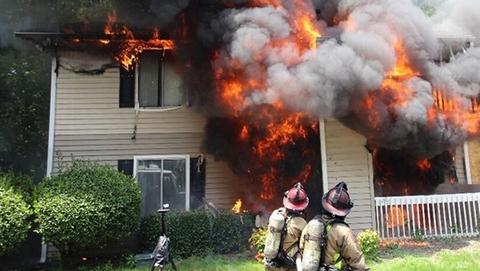
Fire Dynamics and Firefighting Tactics in Multi-Story Residential Structures
Building an evidence base for effective strategies and tactics for fires in modern and traditional multi-story homes to inform tactical considerations for firefighters.
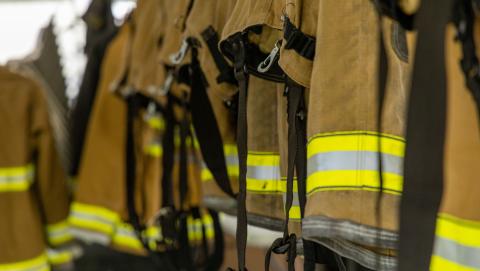
Emerging Issues Related to Personal Protective Equipment
Evaluating the benefits and limitations associated with advancements in PPE technology and the impact of chemical and thermal exposures.
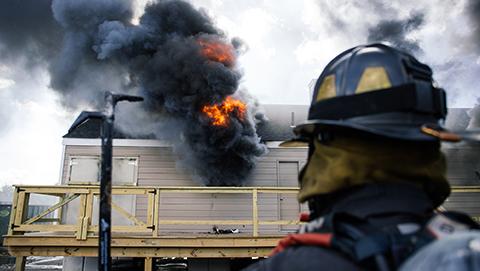
Study of Fire Service Residential Home Size-up and Search & Rescue Operations
Examining fireground size-up measures and search and rescue operations as part of a coordinated fire attack on a residential structure.
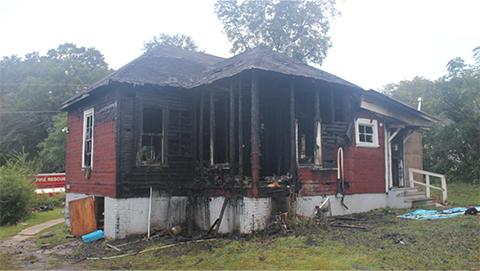
Fire Incident Analysis
Examining notable fires with the focus of improved understanding of the fire to support evidence-based firefighter tactics, training, codes, and standards.
Access Free Research-Based Training & Resources
The Fire Safety Academy is a free, online learning platform that translates the latest fire science directly into training built for real-world application. As conditions in the fire environment grow more complex, access to current, evidence-based knowledge is essential. Create your free profile to access science-based training resources, including the ones below.
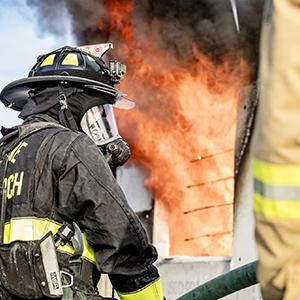
Evidence-Based Considerations for Your Fireground Playbook
Apply proven, evidence-based tactics to improve fireground decision-making and operations. This playbook translates research findings into clear strategies you can use on scene.
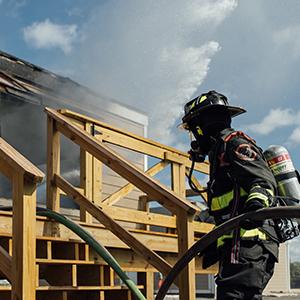
Search and Rescue Tactics in Single-Family Single-Story Residential Structures
Reduce risk to both occupants and firefighters during search and rescue operations. This course explores tactics informed by realistic fireground conditions to help you minimize exposures and improve decision-making in single-family, single-story residential structures.
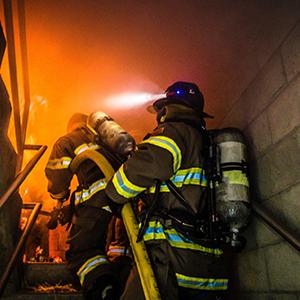
Evidence-Based Structural Firefighting
Improve your effectiveness on the fireground by connecting fire dynamics research to real-world tactics. This course shows how research informs strategy, tactics, and decision-making, based on NFPA 1700.
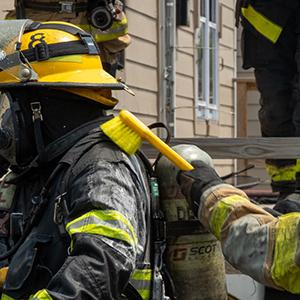
Cancer Prevention Resources
Explore research-backed resources on ways to reduce contamination and exposure risk, featured in our 2026 Firefighter Cancer Awareness Month campaign.
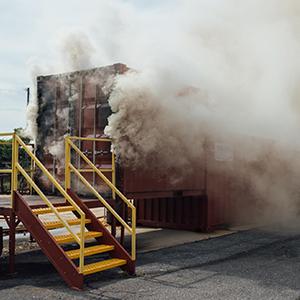
Prerequisites for Live Fire Training Participants
Build the foundational knowledge needed to operate safely and effectively on the fireground. This course covers key concepts from NFPA 1403 to prepare firefighters for live fire training.
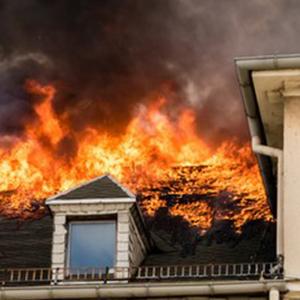
Residential Attic and Exterior Fires
Make better tactical decisions at attic and exterior fires based on how fires actually behave. Learn from full-scale testing in realistic structures and see how coordinated tactics influence outcomes.
Frequently Asked Questions
Fire safety research equips the fire service with the latest knowledge about fire behavior and how tactics influence outcomes. These findings enable the fire service to make more sound decisions when seconds count, efficiently employ strategies and tactics, and ultimately save more lives.
Research shows that preliminary exposure reduction—sometimes referred to as field decontamination—is critical for reducing carcinogen absorption. Best practices include:
- Washing down gear on scene with soap and water prior to doffing and bagging (commonly referred to as gross decontamination);
- Removing, bagging, and laundering contaminated gear as soon as possible;
- Cleaning skin (particularly the head, neck, hands, and forearms) with soap and water or wipes at the scene; and
- Showering with soap within one hour of exposure.
Cardiac events and cancer remain the leading causes of firefighter LODDs. Traumatic injuries from vehicle crashes, structural collapse, and becoming disoriented or trapped comprise most remaining fatalities. Efforts to reduce chemical exposures and minimize cancer risk require adherence to the hierarchy of controls, specifically following best practices for when and how to wear PPE, doffing PPE appropriately to minimize the spread of contaminants, and proper post-exposure handling and cleaning of contaminated PPE and equipment. Cardiac events can be reduced with both cardiovascular screening and fitness/performance standards, as well as improvements in operational effectiveness. Research shows that many traumatic LODDs involve breakdowns in communication, situational awareness, and crew accountability; preventing these requires effective accountability systems, clear radio communication, and thorough risk-benefit assessments.
Newsletter Sign-Up
Get the latest firefighter health and safety research from ULRI’s Fire Safety Research Institute. Subscribe to our monthly newsletter.