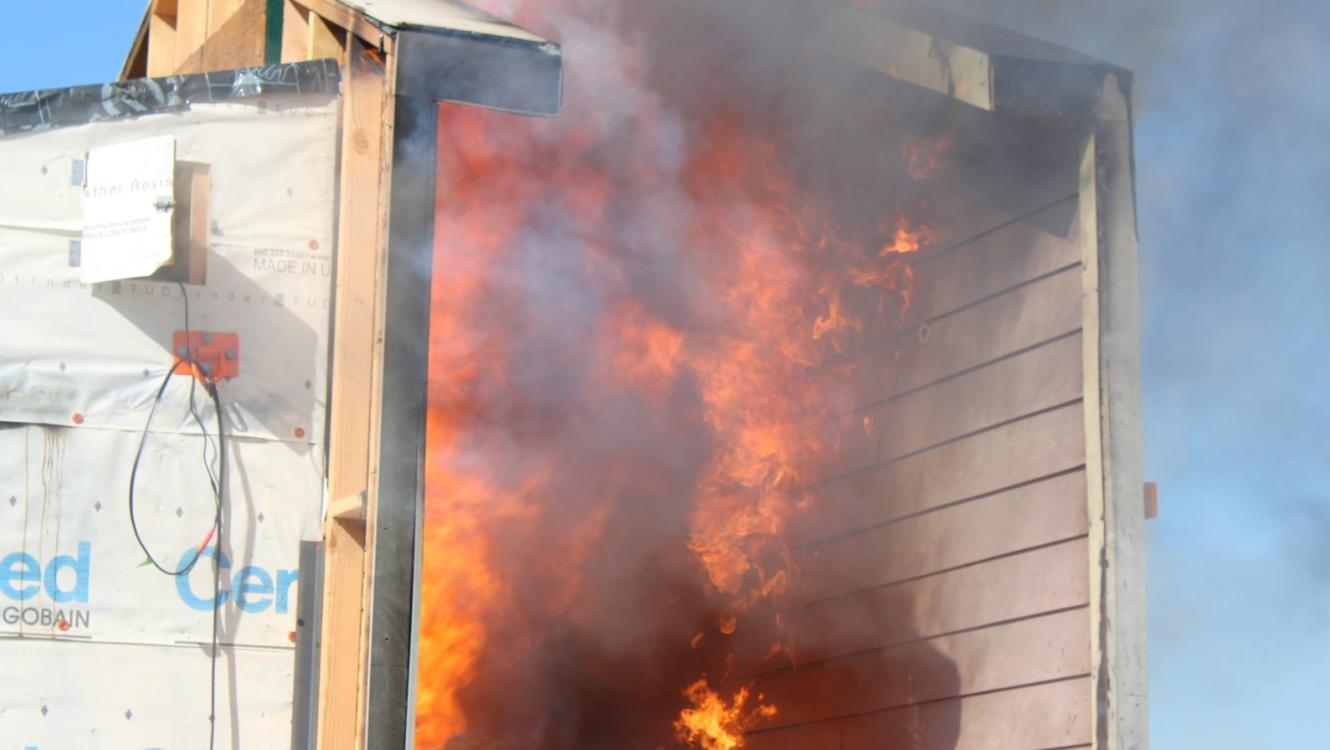

Battery Fire Safety
Advancing the understanding of lithium-ion battery fire hazards to inform safer response strategies, consumer hazard awareness, fire safety codes and standards, and to support fire-safe building design.
As devices powered by lithium-ion batteries become increasingly common in the built environment and across the transportation sector, the fire service faces new challenges in understanding and managing incidents involving these technologies. Rapid innovation and widespread adoption can outpace established response practices and safety regulations, creating a growing need for reliable, evidence-based guidance.
As battery technologies continue to evolve, so do the fire hazards associated with them. Through ongoing research and close collaboration with the fire service, UL Research Institutes' Fire Safety Research Institute is building a deeper understanding of battery fire behavior and translating that knowledge into practical findings, response tactics, and guidance that support emergency responders, the public, and those working to design safer products, systems, and environments.

"Battery technology continues to evolve, and fire safety knowledge must evolve alongside it. By combining rigorous research with input from fire service partners, we are building a stronger understanding of battery fire hazards and translating those findings into practical guidance, training, and tools that help responders make informed decisions and support safer outcomes for communities."
—Adam Barowy
Director of Research
UL Research Institutes | Fire Safety Research Institute
Explore the Current Research
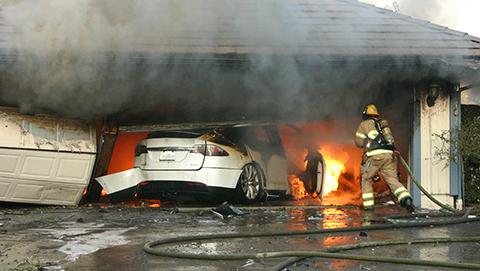
Fire Safety of Batteries and Electric Vehicles
Improving battery fire safety by studying the hazards of electric vehicle fires to develop response considerations and more effective firefighting tactics.
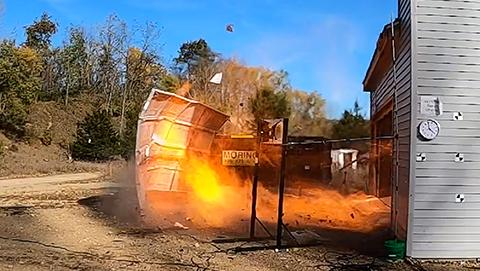
The Impact of Batteries on Fire Dynamics
Advancing lithium-ion battery safety by examining the fire and explosion hazards associated with the accumulation of smoke from thermal runaway
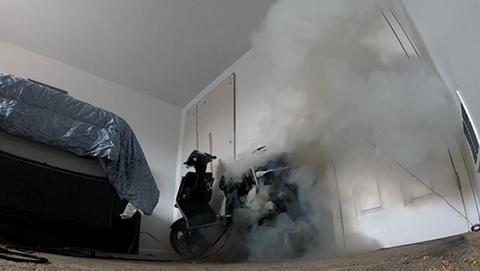
Examining the Fire Safety of Lithium-Ion Battery Powered e-Mobility Devices
Evaluating the fire safety of lithium-ion battery powered e-mobility devices with the Fire Department of the City of New York in residential and passenger rail environments.
Access Free Resources
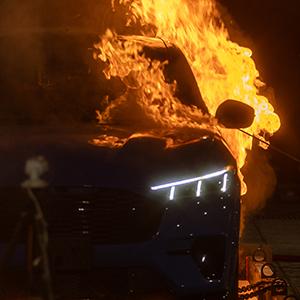
Full-Scale Electric Vehicle Fire Experiments and Recommendations for Fire Incident Response
Close critical knowledge gaps in electric vehicle fire response with a clear operational framework covering size-up, exposure hazards, suppression operations, and battery reginition risks.
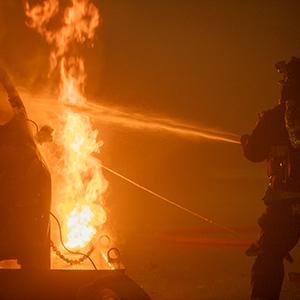
Electric Vehicle Fire Tactical Decision Aid
Get a structured, actionable path for managing EV fire incidents, from initial arrival and scene size-up through exposure assessment, suppression, and safe incident termination grounded in battery fire safety research.

Take C.H.A.R.G.E. of Battery Fire Safety
Access free digital and print resources to educate your community on the risks of lithium-ion batteries and the latest fire safety messages any time through our First Responders Toolbox.

Training: The Science of Fire and Explosion Hazards from Lithium-Ion Batteries
The Fire Safety Academy is a free, online training platform translating current fire science into real-world training. Build your understanding of lithium-ion battery risks with this free, online training platform translating current fire science into real-world knowledge. Learn the foundational research behind thermal runaway and how fire and explosion hazards develop, so you can identify battery product risks.
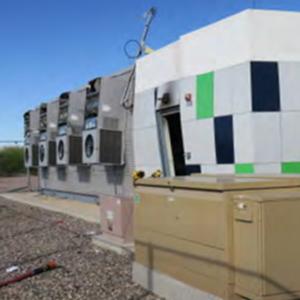
Training: Fire Service Considerations with Lithium-Ion Battery Energy Storage System
Learn from an explosion incident at a lithium-ion battery energy storage system facility in Surprise, Arizona, with analysis and recommendations to improve codes, standards, and emergency response training, helping protect first responders, maintenance personnel, and nearby communities.
Frequently Asked Questions
Yes, but not necessarily new firefighting equipment. UL Research Institutes' Fire Safety Research Institute research shows that the most effective response is understanding how lithium-ion batteries behave as a fuel and adapting firefighting strategies and tactics to address battery-specific hazards, including thermal runaway, gas release, and re-ignition.
When lithium-ion batteries fail, they can generate heat, release flammable and toxic gases, and create the potential for rapid fire spread. In enclosed spaces, those gases may accumulate and create an explosion hazard, making situational awareness and hazard recognition critical.
Firefighters should anticipate the potential for thermal runaway, flammable gas production, explosion hazards in confined spaces, and re-ignition after extinguishment. Research also shows that battery enclosures can make it difficult to apply water directly to the battery cells, often hindering suppression operations.
Research indicates that battery size, quantity, and location all influence risk. Whether a battery is a small portable device, a micromobility vehicle, electric vehicle, or energy storage system, firefighters should consider how it contributes to the overall fire environment and adjust tactics accordingly.
A fire-damaged battery can retain energy even after being partially burned. This stored energy can lead to delayed ignition or re-ignition, which is why post-fire monitoring, overhaul operations, and battery removal are important considerations.
Newsletter Sign-Up